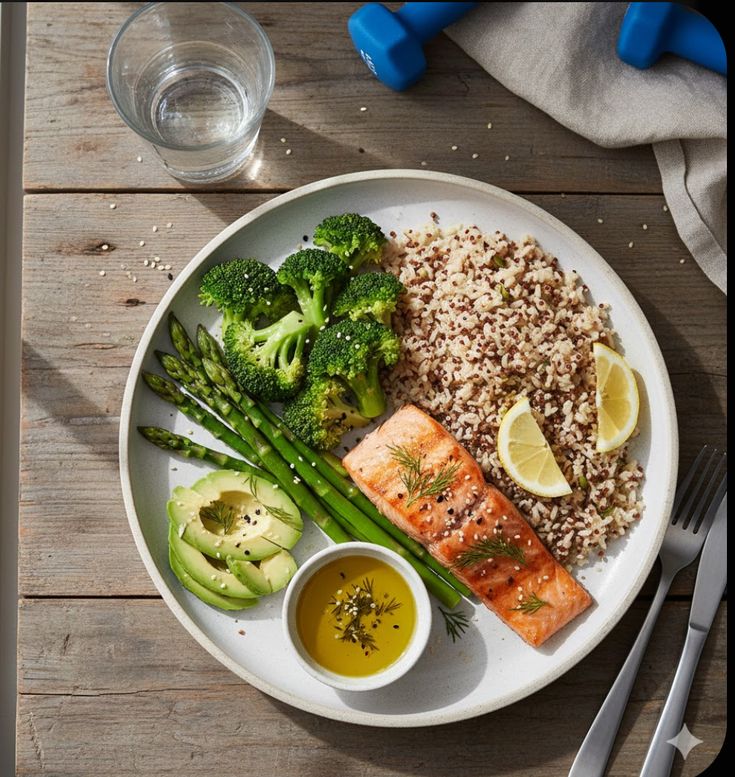
Spacing food in a
way you can actually notice
We talk about
“spacing” in the plain sense of time between one eating moment and the next, as a
tool for noticing hunger and fullness without turning it into a public
score. You might prefer three larger moments or more frequent small ones; the point is to
choose consciously rather than to react only when discomfort is high. We do not claim that
any pattern will work for every body or every job type.
Rest, screens, and
the table as separate spaces
When sleep is
short, people often look for simpler prep in the kitchen, and we are happy
to describe that in neutral language. We do not link sleep length to any named health
outcome. For sleep that is persistently difficult, or for ongoing fatigue, a qualified
person who knows you is the right channel; we will not re-label that on a website.
Separately, a visible pause between a work screen and a eating surface can make food easier
to register; we offer that as a design idea for home or hybrid offices, not a command.
Movement and breaks
in a normal vocabulary
Short walks,
standing up between blocks of work, and stretching in a way that matches your own limits are
all ordinary tools. We avoid tying them to a promise about weight, mood, or performance,
because that would be outside the remit of an information page run from 1061/716 Great South
Road, Penrose, Auckland. If a programme you buy later includes movement ideas, the written
scope for that product will be where any detail lives.